

Working with different organizations has taught me this deeply – what is said in the first conversation is rarely the whole story.
A client sponsor said, “𝗠𝘆 𝗹𝗲𝗮𝗱𝗲𝗿𝘀 𝗱𝗼 𝗻𝗼𝘁 𝗰𝗼𝗹𝗹𝗮𝗯𝗼𝗿𝗮𝘁𝗲 𝗮𝗻𝗱 𝗱𝗼 𝗻𝗼𝘁 𝘁𝗮𝗸𝗲 𝗼𝘄𝗻𝗲𝗿𝘀𝗵𝗶𝗽. 𝗧𝗵𝗲𝘆 𝗮𝗿𝗲 𝗻𝗼𝘁 𝗮𝗹𝗶𝗴𝗻𝗲𝗱”.
These may sound like clear business or behavioral problems. When I stayed with the system a little longer, listened beyond the words, noticed who spoke, who hesitated, and who avoided, a different story emerged – the visible problem was often only the surface of a deeper one.
Many organizational issues stem from hidden needs, unconscious fears, and identity needs in the leader and the way those needs shape the system.
The need to be in control. To be seen as successful. That the organization’s identity is about me. Protecting one’s image. To prove that the problem lies elsewhere.
None of this is intentional. The leader is not consciously trying to damage their organization but is trying to protect something within themselves.
Sometimes, this protected part becomes the shadow, quietly influencing decisions, relationships, and culture.
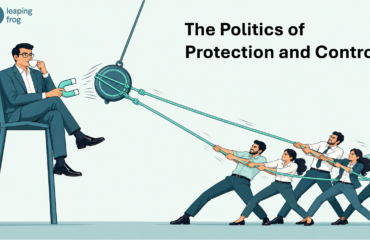
And slowly, the organization begins to arrange itself around the leader’s unconscious needs. People learn what not to say, what must be agreed with, which questions are unsafe, when to remain silent, and when to protect the leader from discomfort.
And then the consultant is invited to solve the visible problem – run an intervention to build ownership and strengthen collaboration. But the deeper invitation is often unspoken – please validate my story, please fix others, please help change the system without touching what I want to protect.
This is where OD work becomes both beautiful and difficult. If one is truly listening, the work cannot remain only at the surface. 𝗧𝗵𝗲 𝗺𝗶𝗿𝗿𝗼𝗿 𝗵𝗮𝘀 𝘁𝗼 𝗯𝗲 𝗵𝗲𝗹𝗱 𝗴𝗲𝗻𝘁𝗹𝘆 𝗯𝘂𝘁 𝗵𝗼𝗻𝗲𝘀𝘁𝗹𝘆, and sometimes it shows the shadow at the center.
Some sponsors become uncomfortable, dismissing or intellectualizing it. It is much safer to discuss a competency issue than to stay with the question, “𝗪𝗵𝗮𝘁 𝗮𝗺 𝗜 𝗽𝗿𝗼𝘁𝗲𝗰𝘁𝗶𝗻𝗴, and what part of me has become comfortable not seeing it?”
But some leaders pause. They may not like what they hear, but they stay with the discomfort. They begin to accept that the problem outside may also have a root within – “𝗜𝘀 𝘀𝗼𝗺𝗲 𝗽𝗮𝗿𝘁 𝗼𝗳 𝘁𝗵𝗶𝘀 𝗮𝗹𝘀𝗼 𝗮𝗯𝗼𝘂𝘁 𝗺𝗲?”
When a leader is willing to see their own shadow, the system gets permission to become more honest.
𝗪𝗵𝗮𝘁 𝗶𝘀 𝗶𝗴𝗻𝗼𝗿𝗲𝗱 𝗱𝗼𝗲𝘀 𝗻𝗼𝘁 𝗱𝗶𝘀𝗮𝗽𝗽𝗲𝗮𝗿. It gathers quietly until it begins to affect the air everyone breathes. Organizations do not become unhealthy overnight. They slowly absorb what leaders avoid, and begin to heal when leaders find the courage to look within.
Real change begins when leaders are willing to meet their own shadow and change with the system.


Leave a Reply
Your email address will not be published. Required fields are marked *