
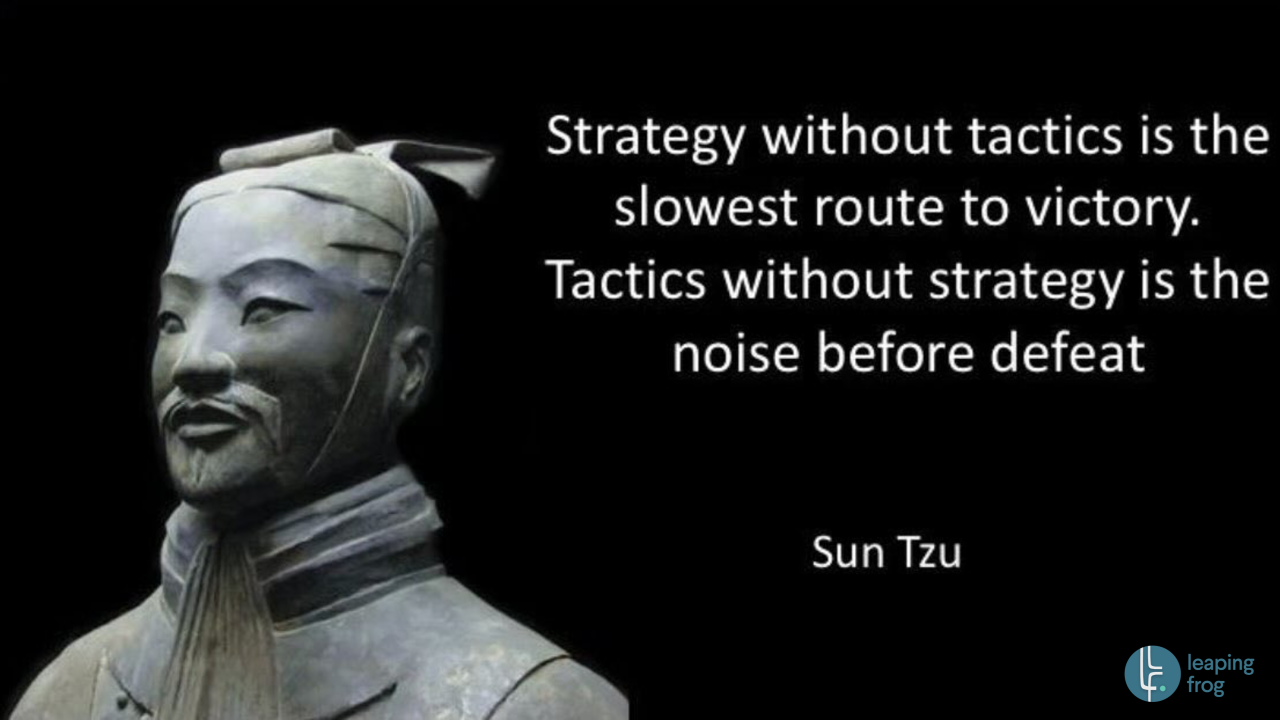
Recently, while working with a client, I kept hearing the same thing.
“We need to put some tactical things in place. And we need to do it fast.”
They wanted new policies, processes, and ways of working.
The main focus was always on moving quickly and getting things done. I understood why they felt urgent. Businesses today are under constant pressure from targets, deadlines, and competition. Acting quickly feels natural and responsible.
However, as we continued, I realized something was missing. It wasn’t effort or intent that was lacking. What was missing was direction.
I noticed that the push for quick fixes wasn’t based on a clear long-term plan. It happened because there wasn’t an insight on the readiness of the system, culture and people involvement. When organizations react to discomfort without thinking through the implications, tactics take the place of real strategy.
To help with this, try using a simple ‘stop-and-ask’ checklist:
- What evidence supports this course of action?
- Is there a clear alignment with our long-term goals?
- Have we consulted (or better still, involved) all relevant stakeholders?
- Are we addressing the root cause or just the symptoms?
A checklist like this can help people think more carefully and turn anxiety into useful insights.
Over time, I’ve learned an important lesson: Tactical actions should follow clear thinking, not come before it.
A clear purpose is the foundation of any business effort. Tactics should support something bigger, such as a vision or a shared sense of where the organization is headed and why. Without that, even good initiatives can feel forced.
People don’t resist because they dislike structure or discipline. They resist when they don’t see the purpose behind it. They feel things being imposed on them without clear communication and involvement. And there is resistance. This resistance isn’t just something I have noticed. Research backs it up.
A McKinsey & Company study found that nearly 70% of large-scale change efforts fail, often because there isn’t enough alignment around purpose and direction. (Garcia, 2022) When employees don’t understand why change is happening, execution suffers, no matter how good the solution looks on paper.
Another research by McKinsey on purpose-led organizations shows the same thing: when people understand the bigger goal, execution becomes easier and change lasts longer (The State of Organizations 2023, n.d.). Without that shared clarity, even well-designed initiatives can feel forced rather than owned. This pattern is easy to spot.
In 1995, John Kotter, in his now-classic Harvard Business Review article “Leading Change: Why Transformation Efforts Fail,” noted that most change initiatives don’t fail because of poor execution. They fail because organizations rush into action without creating a shared sense of direction. Without a clear vision and without anchoring change in culture, even the most well-designed initiatives struggle to take root.
When organizations introduce new policies, systems, or controls without context, these changes feel like more tasks. They ask for compliance, not commitment. Over time, this approach wears people down rather than motivating them. On the other hand, when organizations take time to define a shared purpose, set long-term goals, and include people in the bigger picture, things change. Imagine employees gathered around a table, looking at a roadmap they helped create, discussing strategies, and talking about their roles. Tactical steps stop feeling like orders and start feeling like tools that help everyone succeed.
People ask different questions: “How does this help us get where we want to go?” “What role do I play in making this succeed?” And when there is an answer then Ownership replaces resistance.
Ironically, this approach, which some view as slower, actually delivers results faster and keeps them going longer. People don’t just do tasks; they put real effort into outcomes they believe in. Think of the process as a flywheel: at first, it takes effort and time to get moving, but once it builds momentum, the energy grows, leading to bigger results. Small wins add up, turning early patience into a force that pushes the organization forward. As alignment grows, each success adds energy, creating a cycle of growth and achievement.
I have a simple belief: without a clear vision, even good efforts will always feel forced. If people can’t see the bigger picture, they won’t support change for very long.
Organizations that are always in firefighting mode are not because they don’t take action. They struggle when action occurs before everyone is aligned. In the end, alignment is what makes any tactic work.
……………………………………………………………………………………………………………………………….
Authored by Sanjay Gupta. Founder and Principal Consultant, Leaping Frog Consulting Services


Leave a Reply
Your email address will not be published. Required fields are marked *