
A few days ago, I was sitting with a team during an observed conversation. One of the managers turned to a colleague and asked, “𝗪𝗵𝘆 did you send the report so late?”
You could literally watch the colleague’s shoulders tighten. His voice dropped. His answer became defensive.
Nothing was wrong with the question. But something was wrong with how it landed.
And then, just a few minutes later, another manager asked the same colleague, “𝗪𝗵𝗮𝘁 𝗺𝗮𝗱𝗲 the report take longer this time?”
Same situation. Different energy.
This time, the colleague opened up. He reflected. He explained. He even shared what he could do differently next time.
That moment stayed with me. Because this is what happens in organizations every single day.
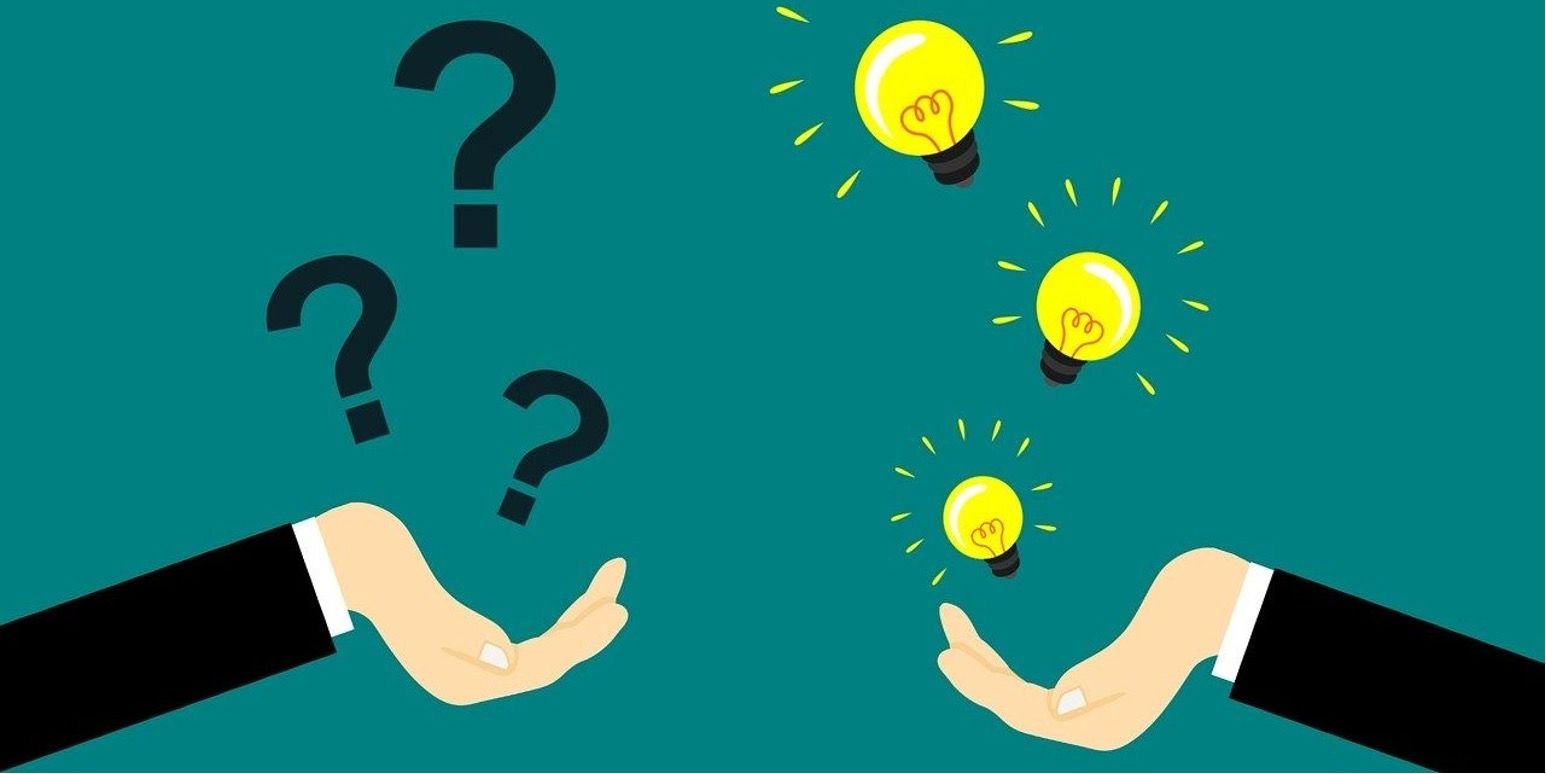
Many times, we think we are “asking a question.” But the other person feels “questioned.” A “why” often sounds like a reason for searching for mistakes. It feels like you are being probed, pushed, or evaluated.
But a “what made you…” or a “how did you…” invites an entirely different response. It feels like curiosity. It feels like someone is genuinely trying to understand your world. It pulls you inward, makes you think, and creates a space where reflection feels safe.
From a psychological lens, this makes complete sense. Our brain is wired to detect threat before it detects intent.
So a simple “why?, especially under pressure, gets interpreted as danger. A cue that something is wrong. A cue that I might be wrong.
But “what” and “how” questions signal partnership. They lower the guard. They keep their minds open instead of tightening them.
And here’s the most interesting part. Nothing dramatic needs to change. Just the shape of the question.
Leaders who understand this create cultures where thinking is encouraged, not feared. Where people don’t just answer, they explore. Where conversations don’t shrink you, they expand you.
The art is not in questioning people. It’s in helping them discover their own answers.
And that begins with a simple shift, from “Why did you…” to “What made you…” or “How are you thinking about…”
Tiny changes. Big difference.



Leave a Reply
Your email address will not be published. Required fields are marked *