
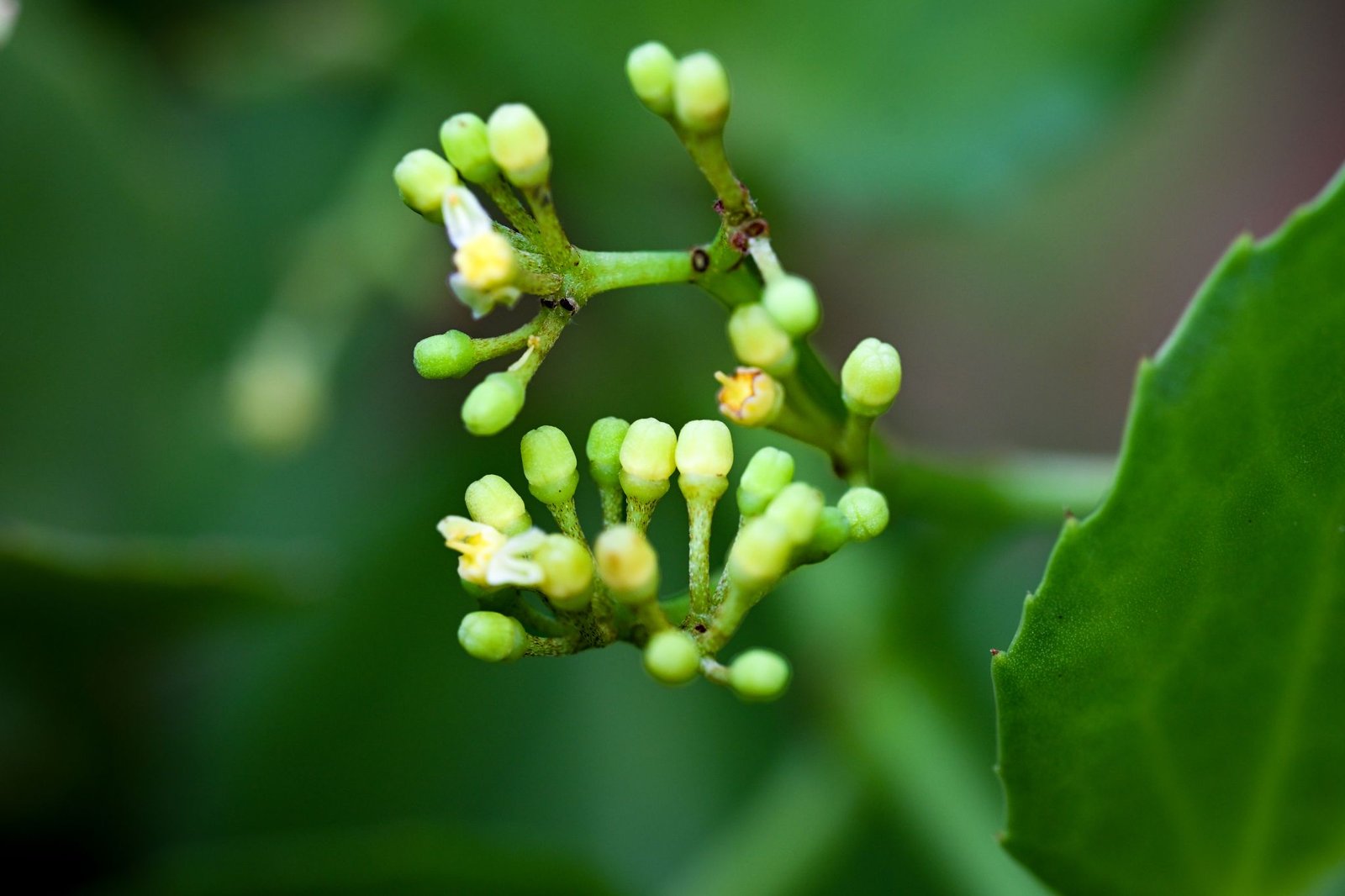
I took this photograph some time ago. Look at the buds. Each one is at a different stage, waiting for the right conditions to open.
And that made me think about organizations.
Trust is often spoken about as a value, and people experience it through everyday behavior.
When a leader at the top starts verifying information through multiple channels, indirectly checking on people, or asking others about someone’s whereabouts or activities without their knowledge, the message travels far beyond that one interaction.
Nobody may openly say, “I don’t trust you.”
But people do notice.
And when such behavior comes from the top, it gradually seeps deeper into the organization. Managers start checking and cross-checking; they create their own information networks. People learn that what is said directly may not be enough, and that knowing what is happening elsewhere can become a form of protection.
Slowly, behavior begins to change.
People become more careful about what they share. They just stick to their formal responsibilities. They hesitate before taking risks. They begin reading the room before speaking. Some may even participate in the very politics they once disliked, not necessarily because their values have changed, but because the system has taught them what is safe.
This is where the 𝘂𝗻𝗰𝗼𝗻𝘀𝗰𝗶𝗼𝘂𝘀 𝗹𝗶𝗳𝗲 𝗼𝗳 𝗮𝗻 𝗼𝗿𝗴𝗮𝗻𝗶𝘇𝗮𝘁𝗶𝗼𝗻 becomes important.
Every organization sends out messages that are never formally stated: whom to trust, what not to say, how far to go, what carries risk, and what helps one survive. People pick up these signals quickly and adapt, often without even realizing how much they have changed.
And that is how culture gets built.
Not only through values, policies, or town halls, but through repeated signals from leadership about what is safe and what is not.
What begins as a leader’s way of seeking information can gradually become a pattern across the organization. The pattern becomes normal. And once it becomes normal, people stop even questioning it.
Then, one day, the same leadership may wonder why people don’t take initiative, why they stay within boundaries, why politics exists, why collaboration is weak, or why nobody seems willing to stretch.
What appears on the surface as a problem of performance or ownership may actually be a response to the context created over time.
Seeing these buds reminded me that you can’t command blooming.
The conditions have to allow for it….the context that is created.
#ThroughMyLens #Leadership #Culture #Trust #OrganizationDevelopment



Leave a Reply
Your email address will not be published. Required fields are marked *